
Arrest History in Motley County
Motley County arrest records can begin with the Sheriff’s Office or Texas DPS. The DPS approved NIBRS roster identifies the Motley County Sheriff as the county reporting agency under ORI TX1730000. It does not list a Matador or Roaring Springs police department. A Highway Patrol trooper may still make an arrest, and the trooper’s report remains a DPS record even when another agency accepts the person for booking. Ask both who made the arrest and where the person was held.
The record then splits. The arresting agency creates the incident and arrest narrative. A holding facility creates intake, property, photograph, fingerprint, charge, bond, transfer, and release material. A magistrate creates initial-appearance and bond orders. Prosecutors and the combined County and District Clerk create the filed court case. Texas DPS later receives qualifying fingerprint, charge, and disposition data. These documents may describe the same event, yet they are not interchangeable.
Motley County Arrest Record Holders
Start with the office that created the needed slice. The official Motley County Sheriff page provides the route for sheriff-created incident and arrest material, custody-location questions, and sheriff-held warrant inquiries. Its published channels are telephone, fax, postal mail, and a general web inquiry form. The county does not label that form as a formal Texas Public Information Act portal. For a trooper report, use DPS. For booking and current bond details, contact the actual holding facility after the sheriff names it. Filed charges and final outcomes belong with the clerk.
| Holder | Record slice | Channel |
|---|---|---|
| Motley County Sheriff | Sheriff incidents, arrests, custody location, and warrants | 806-347-2234; fax 806-347-2692; PO Box 715; web inquiry |
| Texas DPS | Trooper report and statewide criminal history | Official DPS records and Crime Records channels |
| Actual holding facility | Booking, custody, bond, transfer, and release | Identify the facility through the sheriff first |
| Combined clerk | Filed felony or misdemeanor case and disposition | 806-347-2621; courthouse counter; iDocket since 2003 |
| Countywide Justice Court | Qualifying fine-only cases and related capias questions | 806-347-2204; weekday mornings |
The Texas judiciary’s open-records policy explanation distinguishes court files from executive-agency records.
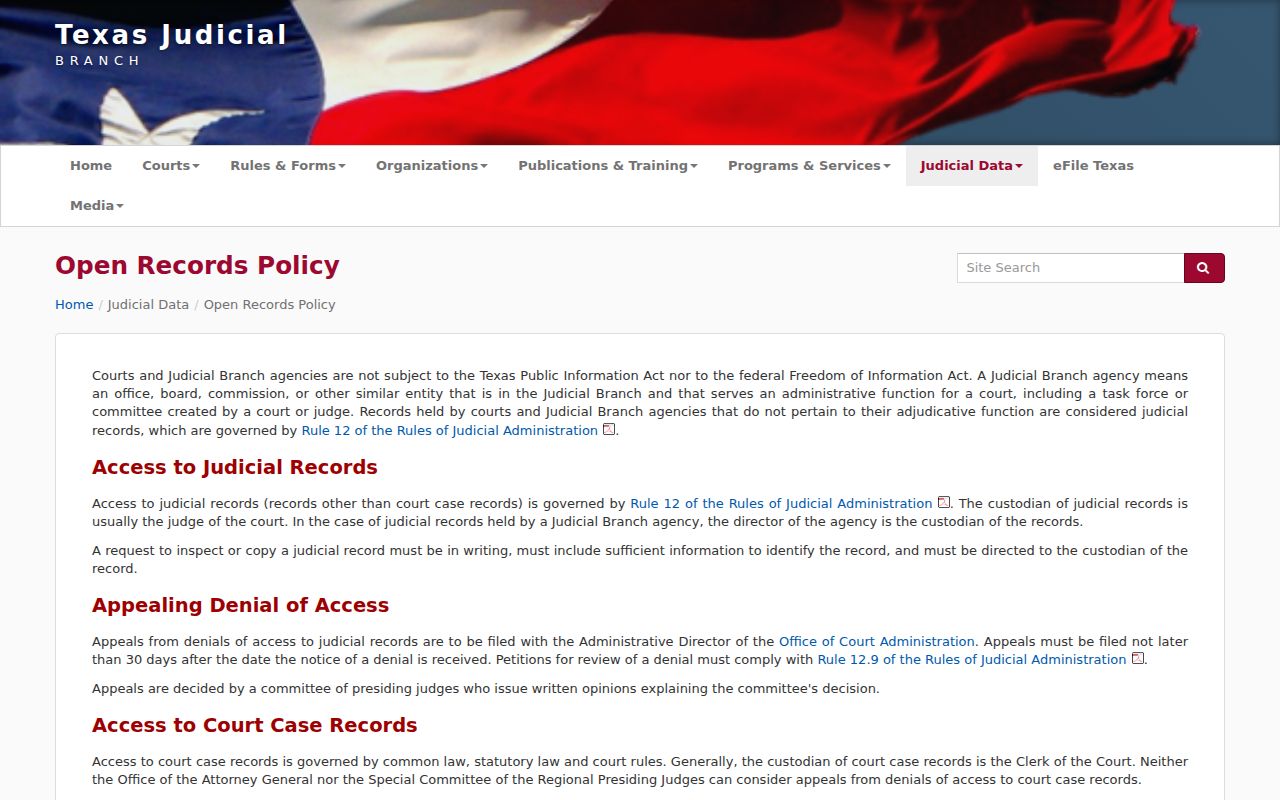
That split matters when an arrest request seeks an officer narrative, while a separate question asks for the filed judgment.
How to Look Up Motley County Arrests
Motley County publishes no booking log, current inmate roster, recent-arrest page, press archive, mugshot portal, sheriff app, or named operating jail. The most reliable search is therefore a channel-complete sequence. Use a full name and the approximate date, but do not assume that a name match alone proves identity. A recent arrest may be confirmed by phone before the court file exists or before DPS can pair the fingerprint cycle with a reported disposition.
- Call the Motley County Sheriff at 806-347-2234. Ask whether the named person is in custody and request the arrest date, booking identifier, charge, bond, court, release or transfer status, and actual holding facility.
- Contact the named facility directly. Ask for current custody, bond by charge, magistrate or court, transfer status, and its formal booking-record request channel.
- Search the clerk-designated iDocket service after a case has been filed, then call the combined clerk at 806-347-2621 for the charging instrument, docket, judgment, sentence, or certified disposition.
- Use the Texas DPS public conviction search for eligible statewide conviction and deferred-adjudication information. For a complete review of your own Texas record, use FAST fingerprinting.
- Submit a narrow public-information request to the agency that made the arrest. State the date, time, location, agency, report or booking number if known, and the exact report, media, or data sought.
Note: A failed online search does not show that no Motley County arrest occurred; local custody and statewide reporting move on different schedules.
Motley County Booking Log Gap
The lack of an official online log changes the task. It does not mean that no booking record exists. First ask the sheriff to name the actual holding agency. Then use that facility’s rules for bond, release, mail, calls, deposits, or visitation. No current facility name, address, vendor, schedule, visitor identification rule, or release-lobby process was verified for Motley County, so those details cannot be filled in from a neighboring jail or a commercial roster.
Do not travel to the 1891 Motley County Jail on the strength of its landmark page. The old building is a historic site, not a confirmed detention facility. Its upstairs cells, downstairs jailer quarters, survival after the first courthouse fire, and Recorded Texas Historic Landmark status describe local heritage. They do not establish present custody. A sheriff call before travel is especially useful in a large, sparsely settled county where the holding site may be outside Matador.
The official Texas Public Information Act supplies the request framework for nonexcepted agency records.
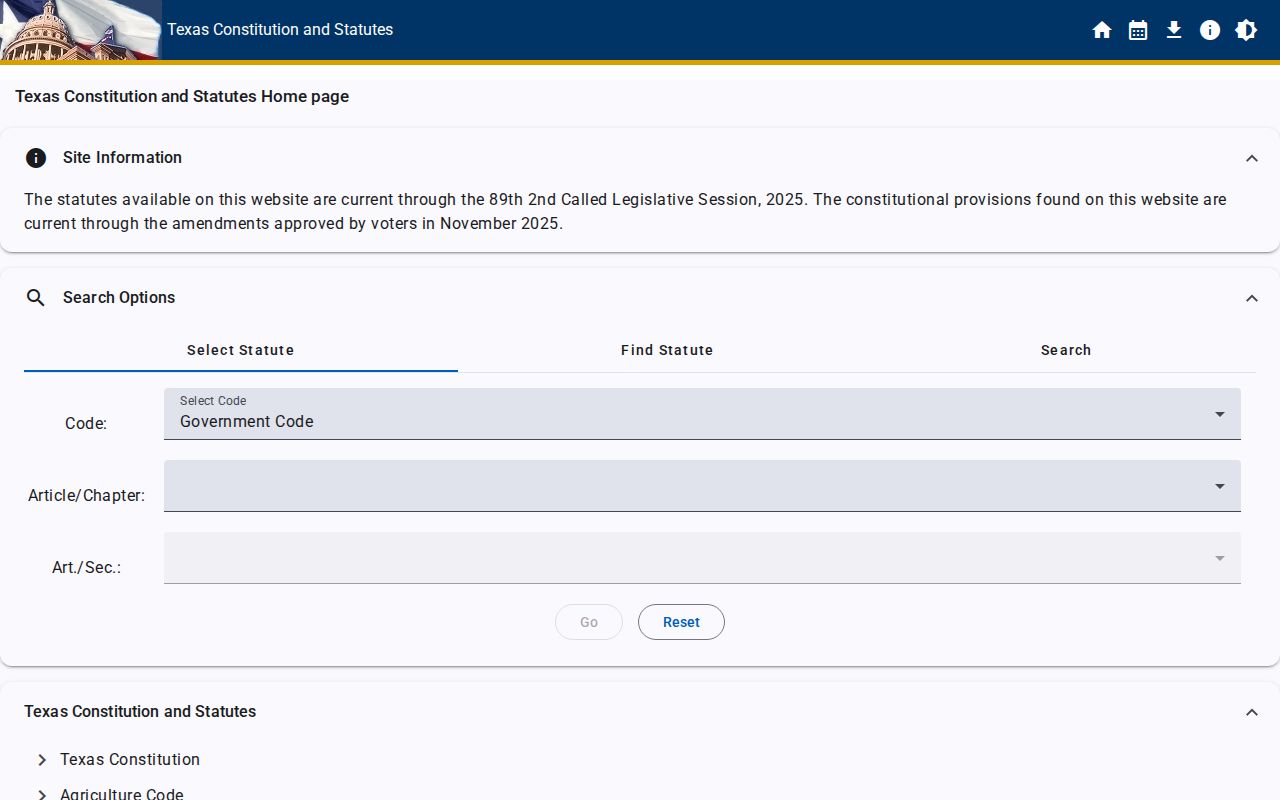
The statute supports a targeted request, but it does not override juvenile protections, active-investigation exceptions, victim privacy, or other confidentiality rules.
What an Arrest Record Shows
An arrest file and a booking file answer different parts of the event. Request the agency report number, arrest date, time and location, arresting agency and officer, legal basis, alleged offense, warrant or capias number when applicable, narrative, supplements, evidence references, transport destination, and releasable media from the arresting agency. Ask the holding facility for its booking identifier, intake agency, charge at intake, bond, magistrate, custody, transfer, and release fields. These are request targets based on the documented record split, not a claim that Motley County publishes a sample profile.
| Booking Number | The holding facility’s identifier, if assigned and releasable; no local public sample was available. |
|---|---|
| Booking Date & Time | The intake event, which can differ from the officer’s arrest time. |
| Arresting Agency | The sheriff, DPS, or other agency that created the arrest report. |
| Charges | Intake allegations that may later be rejected, changed, reduced, enhanced, dismissed, or replaced. |
| Bond | Bond type and amount by charge, tied to the magistrate or court order. |
| Booking Photo | Release depends on context and law; Motley County publishes no official photo portal. |
| Release Status | Current custody, release, transfer, and date information held by the facility. |
Motley County Arrests Reach DPS
For a reportable arrest, fingerprints link the event to Texas DPS Computerized Criminal History. The arresting agency sends identity, arrest, charge, and tracking data. Later, the court reports the disposition so DPS can pair the prosecution result with the arrest cycle. A recent event may not be visible in the public name product, and that product releases eligible convictions and deferred adjudications rather than every pending allegation, booking, or incident narrative. Names may also over-match or miss a record. Fingerprints provide stronger identity confirmation.
The DPS Crime Records FAQ explains the repository, name checks, fingerprint checks, fees, and agency reporting.
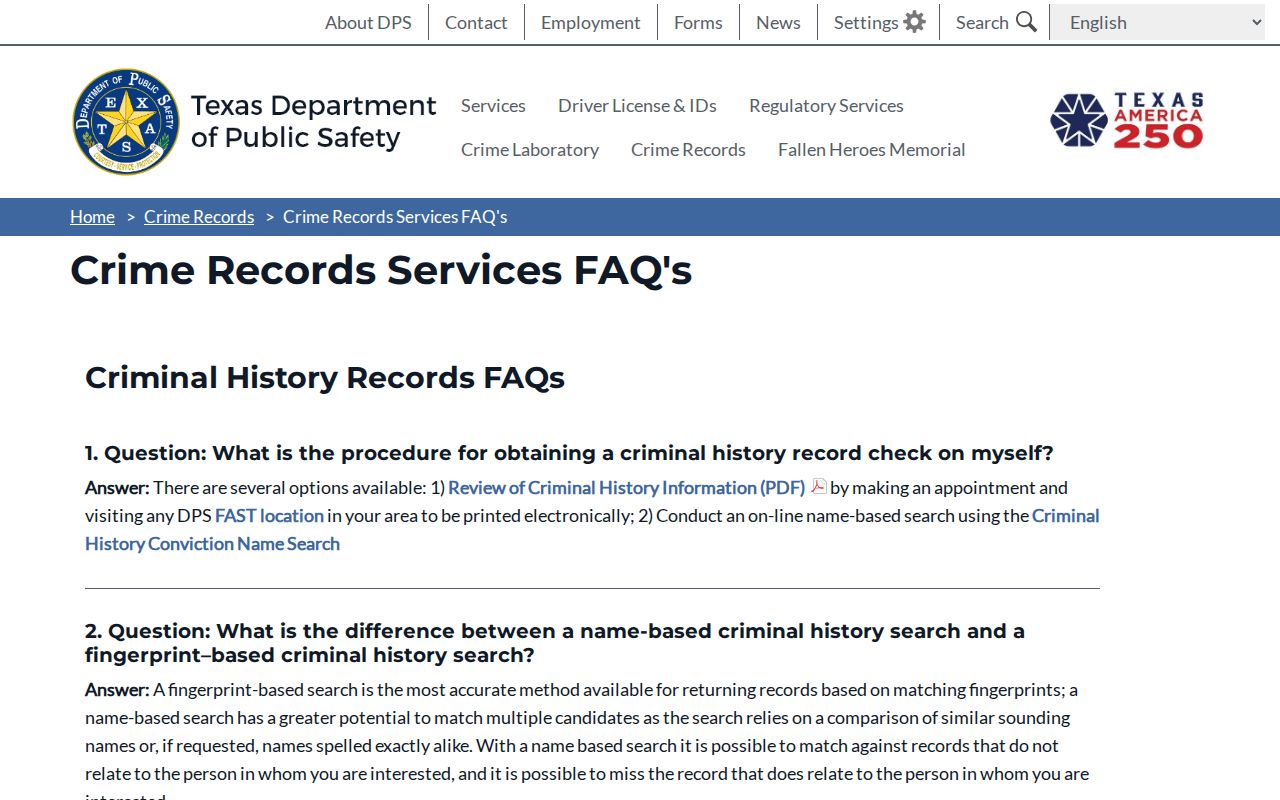
The official explanation shows why the statewide search is a second layer, not a real-time Motley County booking log.
For a public DPS search, an account and prepaid credits are required. The current online price is $1 per search credit, and card purchases add the stated surcharge. A no-match still uses a credit. The offline name request is $10. For one’s own fingerprint review, FAST through IdentoGO is the more reliable identity route. No enrollment site was verified inside Motley County, so use the official locator or call 1-888-467-2080.
Recent Arrests and Booking Logs
There is no official Motley County recent-arrest feed to browse. The sheriff’s telephone channel gives the quickest local custody check, followed by direct contact with the facility the sheriff identifies. A same-day call may confirm an arrest while iDocket still shows no filed case. That is a normal timing gap. A case appears after a prosecutor files an information or a grand jury returns an indictment, not simply because an officer made an arrest.
For historical work, request the arrest report from the creating agency and the filed outcome from the combined clerk. A roster, if another holding county provides one, may show only current or recent custody and can remove an entry after release. Absence from such a list proves neither that no arrest occurred nor that an old allegation became a conviction. Motley County arrest history must be assembled from the official holders instead of a single log.
Motley County Arrest Magistration Trail
Texas Code of Criminal Procedure Article 15.17 requires an arrested person to be brought before a magistrate without unnecessary delay, generally within 48 hours. The magistrate states the accusation and rights, addresses counsel, and handles release or bail questions under the governing law. That step creates a judicial order separate from the officer narrative and booking sheet. In Motley County, the magistrate and the physical holding site do not have to be in the same building or even serve the same record function.
Record flow: Arresting Agency › Holding Facility › Magistrate › Prosecutor › Combined Clerk › Texas DPS
Charges can change at each stage. The intake charge reflects the allegation delivered to the facility. The prosecutor may reject it, amend it, reduce it, enhance it, or replace it. The clerk’s case file then shows what was actually filed. Follow the Motley County criminal court case record when the question shifts from custody to plea, dismissal, judgment, or sentence.
Arrests vs Convictions
A Motley County arrest entry proves that an agency took a person into custody or recorded an arrest event. It does not prove the allegation. A conviction requires a court judgment of guilt. Dismissals, acquittals, no-bills, and deferred outcomes must be read by their exact terms. The public DPS product can show convictions and deferred adjudications that agencies reported, while the clerk’s signed judgment remains the best source for the local case result.
| Arrest Record | Conviction Record |
|---|---|
| Created by the arresting agency and holding facility | Created through the court and reported to the clerk and DPS |
| Shows an arrest, intake allegation, and custody event | Shows a court judgment of guilt |
| Lives with the sheriff or DPS and the actual booking facility | Lives in the clerk’s case file and eligible DPS history |
| May end in release, no filing, dismissal, or another outcome | May lead to sentence, appeal, or later record-clearing proceedings |
Note: An arrest is not proof of guilt, and the filed Motley County charge may differ from the allegation recorded at intake.
Motley County Arrest Record Corrections
A dismissal does not by itself erase every arrest record. The originating agency may keep its lawful file, and DPS may retain the fingerprint-linked cycle even after the court reports a dismissal. First obtain the certified disposition from the combined clerk. If DPS lacks or misstates that outcome, use its Criminal History Inquiry or Data Integrity channels and provide the disputed entry, charging document, and certified disposition. Correcting an incomplete repository entry is different from clearing an accurate record.
The official Government Code Chapter 411 covers criminal-history dissemination and orders of nondisclosure.
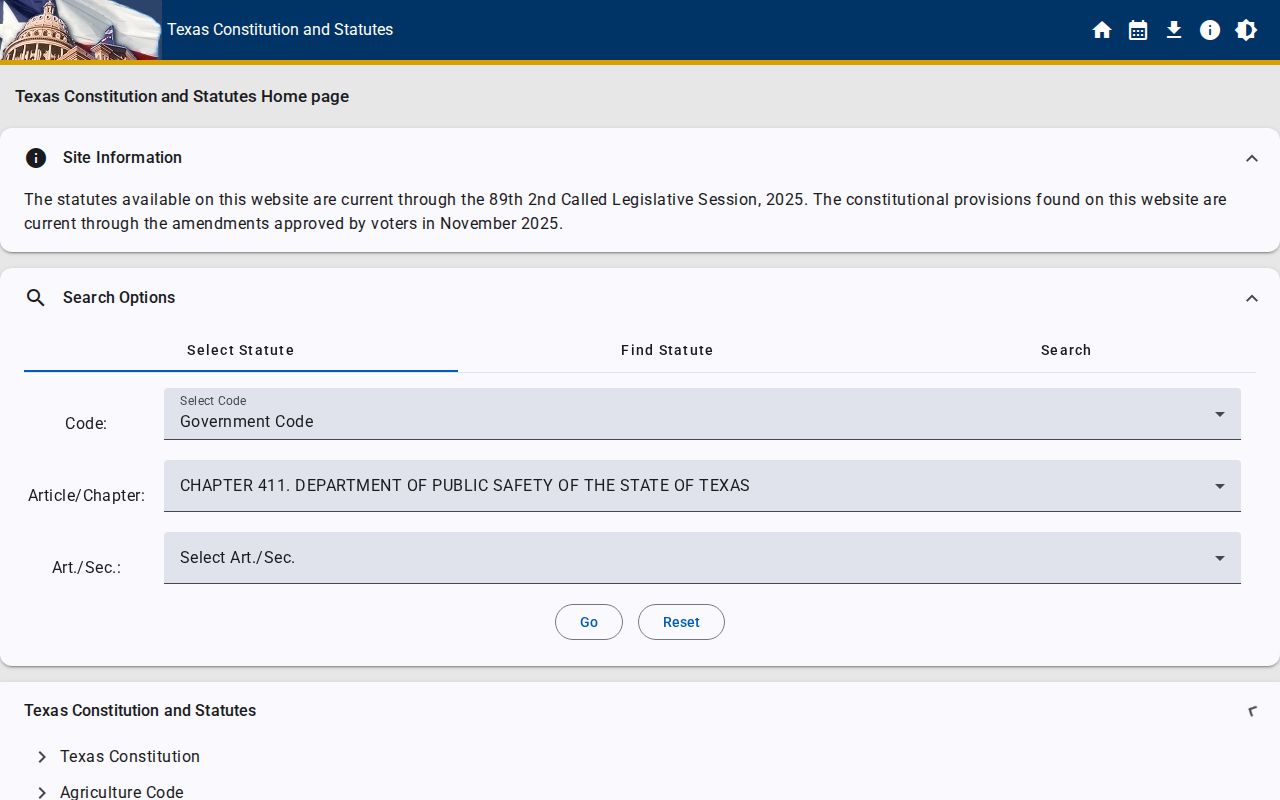
The statute image connects public access limits to the separate legal routes for correction, nondisclosure, and qualifying expunction.
Expunction under Code of Criminal Procedure Chapter 55A requires eligibility and a court order. A qualifying route may depend on acquittal, pardon, actual innocence, dismissal or no-bill conditions, mistaken identity, or another statute-specific outcome. Juvenile arrest information also follows restricted rules. Do not treat a short online absence or an unofficial search result as proof that a lawful record no longer exists.
Motley County Sheriff Arrest Requests
The sheriff publishes no separate records division, dedicated request email, fee schedule, guaranteed turnaround, or public-information portal. The office lists PO Box 715, Matador, TX 79244; telephone 806-347-2234; and fax 806-347-2692. A current physical lobby address and office hours were not published, so call before visiting. The web form requests a name, telephone, email, confirmed email, reason for inquiry, and reCAPTCHA. It is a general contact form, so ask how to submit the formal request and how any charge estimate will be delivered. If a prosecutor has filed the charge, the combined clerk page supplies the official case-record fallback.
Describe the incident date, approximate time, location, arresting agency, and report or booking number if known. Name each record wanted, such as the arrest report, narrative, supplements, releasable media, booking data, bond record, or release entry. The county's published public-information policy provides local request context, but ask the sheriff whether fax or postal mail is accepted and what redactions, identification rules, or delivery options apply.
Motley County Sheriff
PO Box 715
Matador, TX 79244
806-347-2234
Fax: 806-347-2692
Call before any visit.